



Holy Communion
Holy eucharist
THE HOLY EUCHARIST: THE MYSTERY OF MYSTERIES
“If thou hast purposed, O man, to eat the Body of the Lord, approach in fear lest thou be scorched, for it is fire. And before drinking the Divine Blood unto communion, first reconcile thyself to them that have wronged thee…”
— From the Prayers of Preparation for Holy Communion
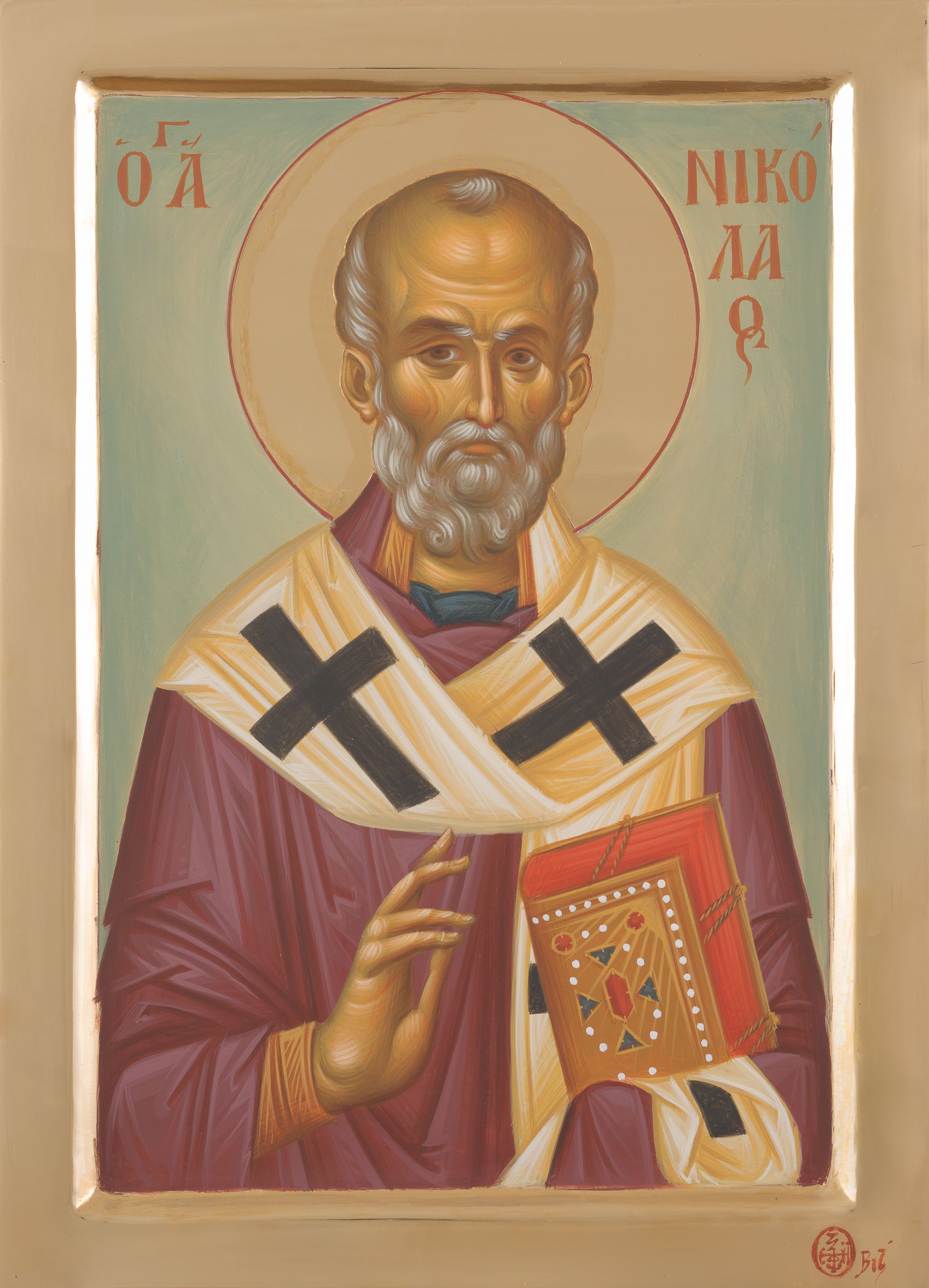
Participation in the Eucharist—the Communion of the Body and Blood of Christ—is the most awesome of mysteries. It is a direct sharing in the divine-human life of Christ Himself. As St. Nicholas Cabasilas exclaims: “O how great are the Mysteries! What a thing it is for Christ’s mind to be mingled with ours, our will to be blended with His, our body with His body, and our blood with His blood!”
Approaching the Chalice
Because of the magnitude of this Gift, Holy Communion must be approached with careful preparation. We seek to avoid two common misconceptions:
- The Myth of "Worthiness": Some believe they should only receive once or twice a year because they are "unworthy." In truth, no human is ever truly worthy of this Gift; it is precisely because we are weak that we need this Divine Medicine.
- The Myth of "Casual Approach": Conversely, some believe no preparation is needed. St. Paul warns us to "examine ourselves" before partaking. Preparation through prayer, fasting, and reconciliation with our neighbors is the "wedding garment" we put on to meet the King.
Requirements for Participation
In the Orthodox Church, Holy Communion is the sign of a shared faith and a shared life. Therefore, it may be received only by those who:
- Are Baptized and/or Chrismated in the Orthodox Church.
- Are in Good Canonical Standing. If married, the marriage must have been blessed in the Orthodox Church.
- Have Prepared Spiritually through the discipline of fasting (usually from midnight the night before) and the "Prayers of Preparation."
- Participate in Holy Confession on a regular basis.
- Observe Liturgical Punctuality. Participants should arrive at the start of the Divine Liturgy, and at the latest, before the reading of the Holy Gospel.
Regarding Inter-Communion
Holy Communion is an all-embracing event, presupposing full unity in doctrine and practice. For this reason, Orthodox Christians are not permitted to receive Communion in non-Orthodox churches. Likewise, we respectfully ask our visitors from other traditions to refrain from partaking. We pray for the day when all Christians are united in one faith, allowing us to share a common Chalice.
Why do we fast before Communion?
We fast from all food and drink from the time we sleep the night before (or from midnight) so that the Holy Eucharist may be the very first thing that sustains us for the day.
How should I physically approach the Chalice?
When you approach, please step up closely to the Priest. Cross your arms over your chest (right over left). State your baptismal name clearly to the Priest. Hold the red communion cloth securely under your chin to catch any accidental drops. Tilt your head back slightly and open your mouth wide. After receiving, gently wipe your lips with the cloth and step away prayerfully.
My child is fussy or crying; should I still bring them for Communion?
Our Lord said, "Let the little children come to Me." We encourage parents to bring their children for the "Medicine of Immortality" as early as possible. If a child is restless, it is perfectly fine to step into the Narthex for a moment to calm them, but please bring them back to receive. Their presence is a blessing to our parish family!
What is the "Antidoron"?
At the end of the service, the "Antidoron" (Blessed Bread) which means, 'instead of the gifts.' While Holy Communion is reserved for Orthodox Christians, the Antidoron is a gift of hospitality given instead of the holy gifts and may be received by all visitors as a token of fellowship.
He who eats My flesh and drinks My blood abides in Me, and I in him.
— John 6:56